SpaceX's Falcon 9 has been the most successful orbital rocket in history, but even workhorses eventually pass the torch. Recent data shows a subtle yet significant shift: Falcon 9 launches are beginning to decline as SpaceX gears up for its next-generation Starship vehicle. This Q&A explores the reasons behind this transition, the launch statistics, and what it means for the future of space exploration.
1. Why is SpaceX reducing Falcon 9 launches?
SpaceX is not retiring the Falcon 9—at least not yet—but the company is strategically dialing back its launch cadence. According to internal plans, the primary reason is to free up resources and focus on Starship, the massive rocket designed for deep-space missions. Starship is intended to carry humans to the Moon and Mars, enable orbital data centers, and launch next-generation Starlink satellites. Gwynne Shotwell, SpaceX president, explained that once Starship proves operational, Falcon 9 launches will naturally taper off. This isn’t a sign of trouble; it’s a deliberate pivot toward a more ambitious future.

2. What do the recent launch numbers tell us?
The numbers paint a clear picture of a gradual transition. In the most recent year, SpaceX conducted 165 Falcon 9 launches (with no Falcon Heavy missions), up from 134 Falcon 9 and Falcon Heavy launches in 2024, and 96 Falcon flights in 2023. However, the trajectory is now shifting downward. The company plans approximately 140 to 145 Falcon launches in 2026, as confirmed by Shotwell. While still high by historical standards, this reduction signals that SpaceX is intentionally slowing Falcon 9 operations to allocate engineering and manufacturing capacity to the Starship program.
3. What did Gwynne Shotwell say about the future launch pace?
In a recent interview with Time, Gwynne Shotwell offered a frank assessment: “This year we’ll still launch a lot, but not as much. And then we’ll tail off our launches as Starship is coming online.” She estimated the 2026 Falcon cadence at “maybe 140, 145-ish.” This statement underscores the company’s expectation that Starship will soon assume the heavy-lifting duties. Shotwell’s tone was confident, not concerned, indicating the transition is proceeding as planned. For space watchers, the numbers confirm that Starship is the priority, and Falcon 9’s role will gradually shift from primary launcher to supporting player.
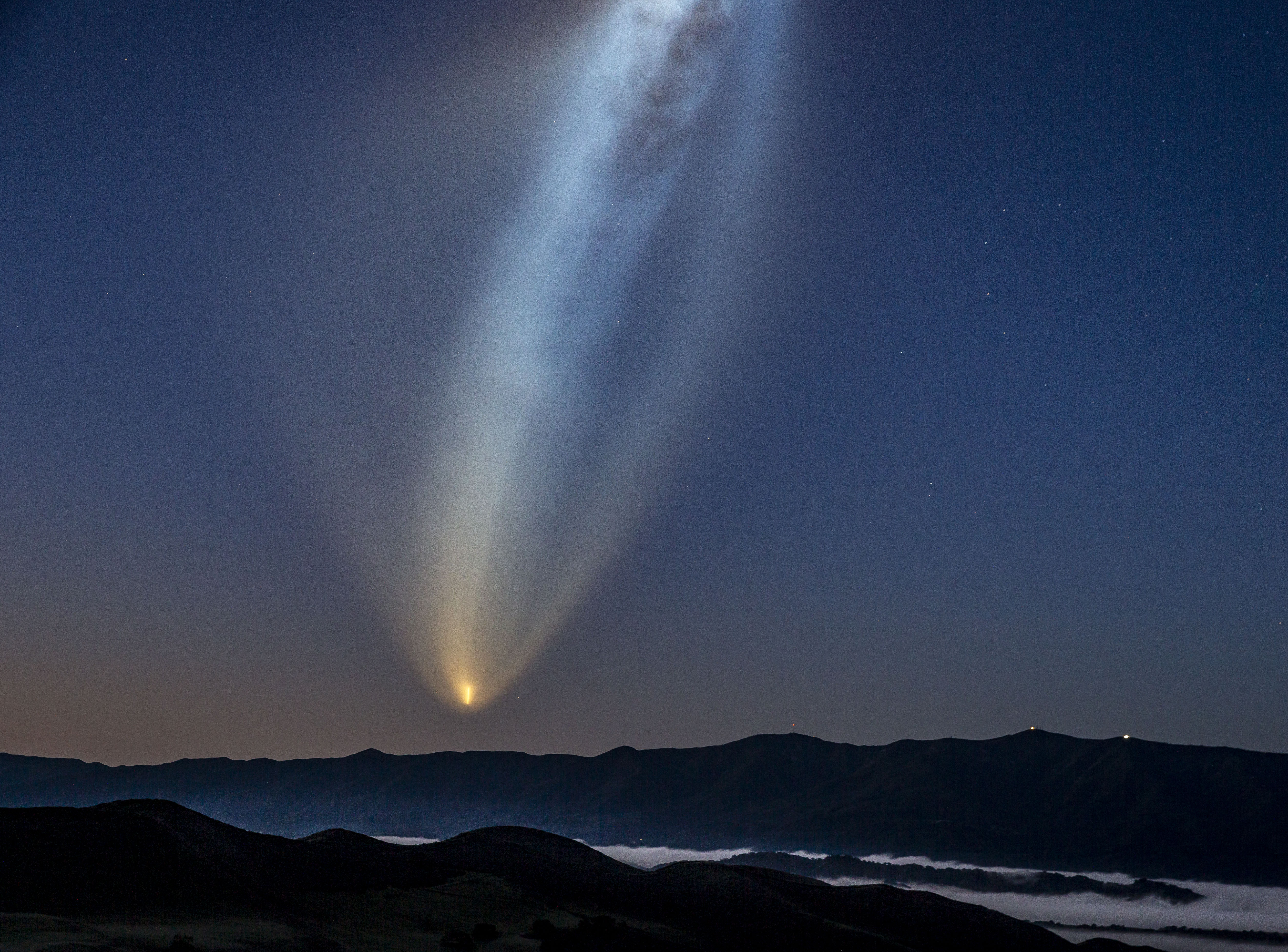
4. What missions will Starship enable that Falcon 9 cannot?
Starship is orders of magnitude larger than Falcon 9 and is designed for missions beyond Earth orbit. Key goals include:
- Lunar landings – As part of NASA’s Artemis program, Starship will transport astronauts to and from the Moon.
- Mars colonization – Elon Musk has long pitched Starship as the vehicle to establish a self-sustaining city on Mars.
- Orbital data centers – Starship’s huge payload volume could host server farms in space, reducing latency and energy use on Earth.
- Next-generation Starlink – Larger, more capable satellites can be deployed in massive batches to improve internet coverage.
Falcon 9 simply lacks the size and reusability (in its upper stage) to accomplish these feats. The shift from Falcon 9 to Starship is therefore essential for SpaceX’s long-term vision.
5. Will Falcon 9 ever be completely retired?
While no official retirement date has been announced, the writing is on the wall. Shotwell’s language—“tail off our launches”—implies a gradual phaseout once Starship achieves operational reliability. Falcon 9 may remain in service for niche missions or as a backup, but the economics and capabilities of Starship are expected to make it the go-to vehicle. Industry analysts predict that within the next 3–5 years, Falcon 9 flights will become rare as Starship takes over both commercial and government contracts. For now, the workhorse continues to fly, but its days as SpaceX’s flagship are numbered.