Imagine your smartphone battery dying at the worst possible moment—just when you need to make an urgent call or find your way home. That’s the scenario the ChargeTab aims to solve. This small, inexpensive device is designed for emergencies, offering a quick power boost when you’re stuck without an outlet. But instead of being rechargeable, the ChargeTab is meant to be used once and then sent back for recycling. In this Q&A, we tear open the device, examine its components, and evaluate the company’s eco-friendly claims.
What exactly is the ChargeTab emergency phone charger?
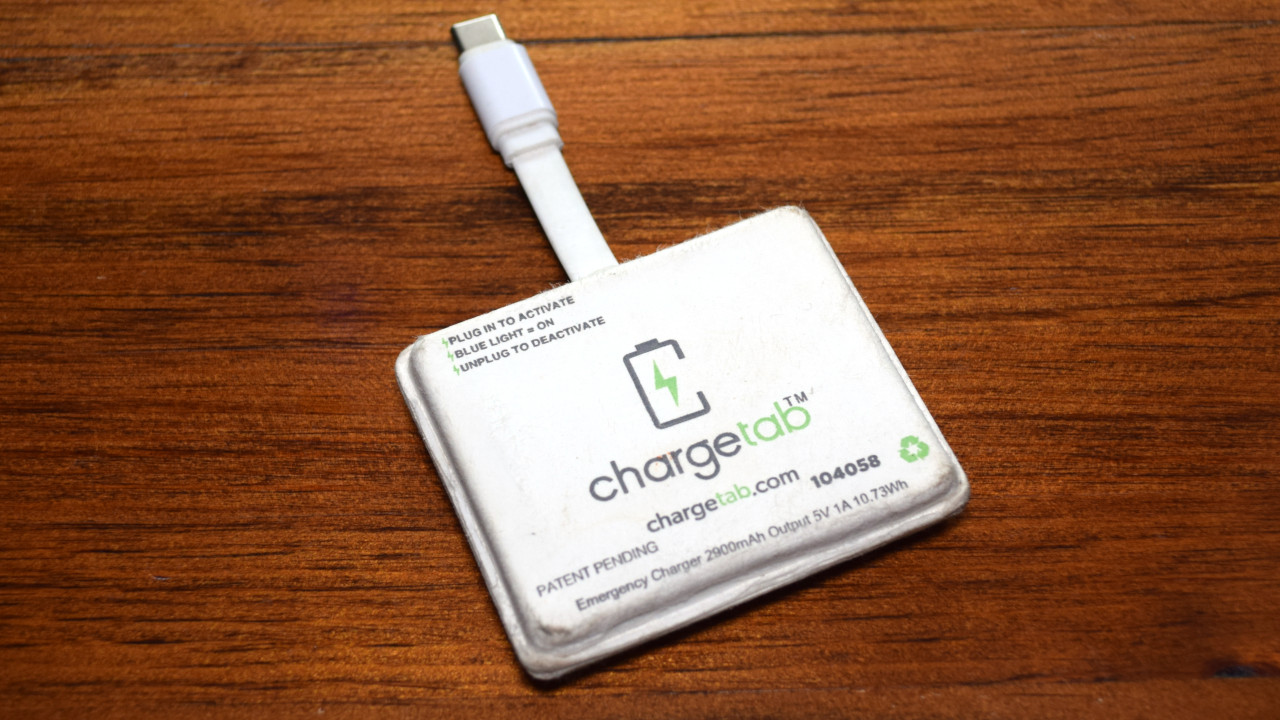
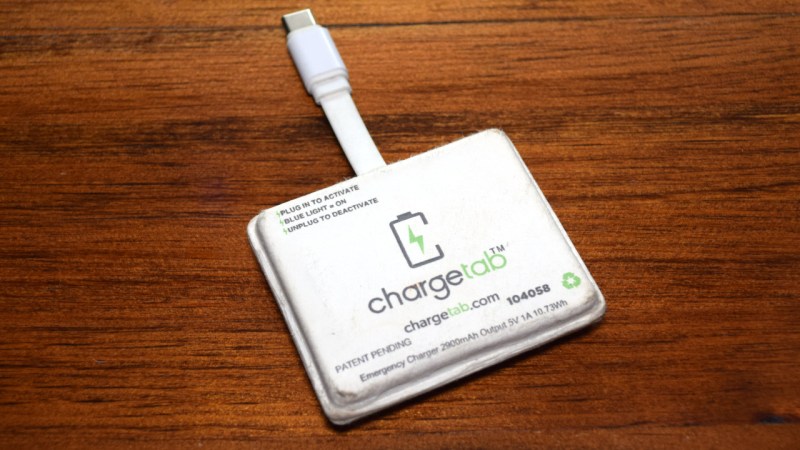
The ChargeTab is a compact, single-use battery pack that sells for around $10 USD. It’s intended to be kept in a car, bag, or desk drawer as a backup power source for smartphones. Unlike traditional power banks, the ChargeTab is not rechargeable—it contains a built-in battery that can provide roughly one full charge for most phones. Once depleted, the device is meant to be returned to the manufacturer for recycling rather than thrown away. The product is marketed as an eco-friendly alternative to disposable batteries, with the company emphasizing that the cells inside are diverted from landfills and the outer shell is biodegradable. However, the user must be willing to accept that the entire device becomes waste after a single use, albeit responsibly processed.
Why is the ChargeTab designed as a single-use device?
The design philosophy behind the ChargeTab is rooted in the idea of an emergency tool, much like a road flare. It’s not meant for daily charging cycles; it’s a one-time lifeline when you’re caught without power. By making it non-rechargeable, the manufacturer can keep costs low and the form factor slim. Additionally, the device is sealed in a paper shell, which simplifies construction and reduces electronic waste from complex casings. The company argues that since many users will never actually use the product, the environmental impact is minimal. However, critics point out that the single-use nature contradicts modern sustainability principles, as the internal lithium-polymer battery cannot be reused. The trade-off is convenience and low upfront cost versus a product that must be discarded after one discharge.
How does ChargeTab's recycling program work?
ChargeTab encourages users to return empty devices by providing a free prepaid shipping label. According to the company, returned units are inspected, refurbished, and put back into circulation—meaning the batteries and electronics are reused rather than scrapped. The firm claims that the batteries inside the ChargeTabs were originally destined for landfills before being repurposed, further bolstering their eco-friendly narrative. However, the effectiveness of this program relies entirely on user compliance. In practice, many units may end up in the trash, as the author discovered when finding discarded ChargeTabs in garbage bins. Without robust enforcement or incentives, the recycling rate may be low. The company also states that the paper enclosure is biodegradable, but the electronic components still require proper disposal to avoid environmental harm.
What materials make up the ChargeTab's enclosure?
The outer shell of the ChargeTab is made from biodegradable paper, which is a notable departure from the plastic casings found on most consumer electronics. This choice aligns with the product’s green image and allows users to cut the device open with scissors if needed—though reassembly is impossible. The paper construction contributes to the device’s low weight and cost, but it also means the charger is not water-resistant or particularly durable. From a teardown perspective, the paper shell is easy to open, but it’s not designed for repair. Once the battery is depleted, the entire package is meant to be returned or discarded. The use of paper reduces reliance on petroleum-based plastics, but the overall environmental benefit depends on responsible end-of-life handling.
What are the internal components of the ChargeTab?
Inside the paper shell, there are very few parts: a large lithium-polymer (LiPo) pouch battery, a thin printed circuit board (PCB), and a handful of electronic components. The PCB hosts a single IC (an SOIC8 chip), an inductor, two capacitors, a resistor, and one LED indicator. The design is minimalist, reflecting the device’s function as a simple battery-to-USB power converter. There are no complex charging management chips because the device is not meant to be recharged. The LED serves as a status light, likely indicating that power is being delivered. The lack of a microcontroller or advanced safety circuits suggests that the ChargeTab relies on the battery’s built-in protection. This simplicity makes the product cheap to produce but also underscores its disposability—there’s no provision for firmware updates or diagnostics.
What battery does the ChargeTab use, and why is its age notable?
The battery inside the ChargeTab is a LiPo pouch cell marked YL 104058, with a stated capacity of 2,900 mAh (slightly less than the advertised 3,000 mAh). Notably, the date code on the battery is 2017, meaning the cell could be several years old before the device is even sold. This is concerning because lithium batteries degrade over time, and a cell that has been sitting on a shelf for years may have reduced capacity or higher internal resistance. The age also raises questions about quality control and shelf life. While the device is intended for emergency use, a battery that has been aging for years may not perform reliably when needed. The use of dated cells could be part of the company’s recycling pitch—using batteries that would otherwise be discarded—but it’s a trade-off between sustainability and user confidence.
What chip powers the ChargeTab's charging circuit?
Upon examination, the PCB features a HotChip HT4928S IC. This is a power management chip specifically designed for lithium battery charging and USB output control. Having a datasheet available makes analysis easier; the HT4928S integrates the necessary boost converter to step the battery voltage up to 5V for USB charging, along with protection features like overcurrent and short-circuit prevention. The chip is likely responsible for the single LED indicator, which may signal charging status or low battery. Its presence confirms that the ChargeTab is not just a direct battery-to-USB connection but uses a regulated circuit to ensure safe power delivery. However, the lack of recharge capability means the IC is configured for one-time use only—once the battery is empty, the chip enters a dormant state until the device is recycled.
Is the ChargeTab truly eco-friendly as claimed?
ChargeTab’s environmental argument rests on two pillars: using batteries diverted from landfills and offering a free return-and-recycling program. The paper shell is biodegradable, which reduces plastic waste. But the device is fundamentally a single-use product—after one charge, the entire unit becomes garbage unless the user mails it back. In practice, many units end up in trash cans, as evidenced by the author finding discarded examples. The recycling program depends on user behavior, and without financial incentives, compliance may be low. Moreover, the energy and materials used to manufacture, package, and ship the device are wasted if it is not returned. While repurposing older batteries does prevent some waste, the overall lifecycle impact may still be negative compared to a reusable power bank. The ChargeTab is a clever niche solution, but its eco-friendliness is debatable.