Breaking News — A first-of-its-kind treatment using engineered DNA molecules has demonstrated the ability to reduce 'bad' LDL cholesterol by nearly 50% in clinical trials, offering a powerful statin-free alternative for millions at risk of heart disease.
The therapy works by shutting down a protein called PCSK9, which normally prevents the liver from removing excess LDL from the bloodstream. Once PCSK9 is blocked, liver cells can absorb and clear more cholesterol, preventing its buildup in arteries.
"This is a fundamental shift in how we approach cholesterol management," said Dr. Elena Moroz, lead researcher at the Heart & Vascular Institute. "We are essentially reprogramming the body's own machinery to fight atherosclerosis without the side effects or limitations of statins."
Background
Statins have been the cornerstone of cholesterol treatment for decades, but they don't work for everyone. Up to 20% of patients experience muscle pain, and some cannot tolerate the drugs at all. Other options like injectable PCSK9 inhibitors exist but require biweekly shots and are expensive.
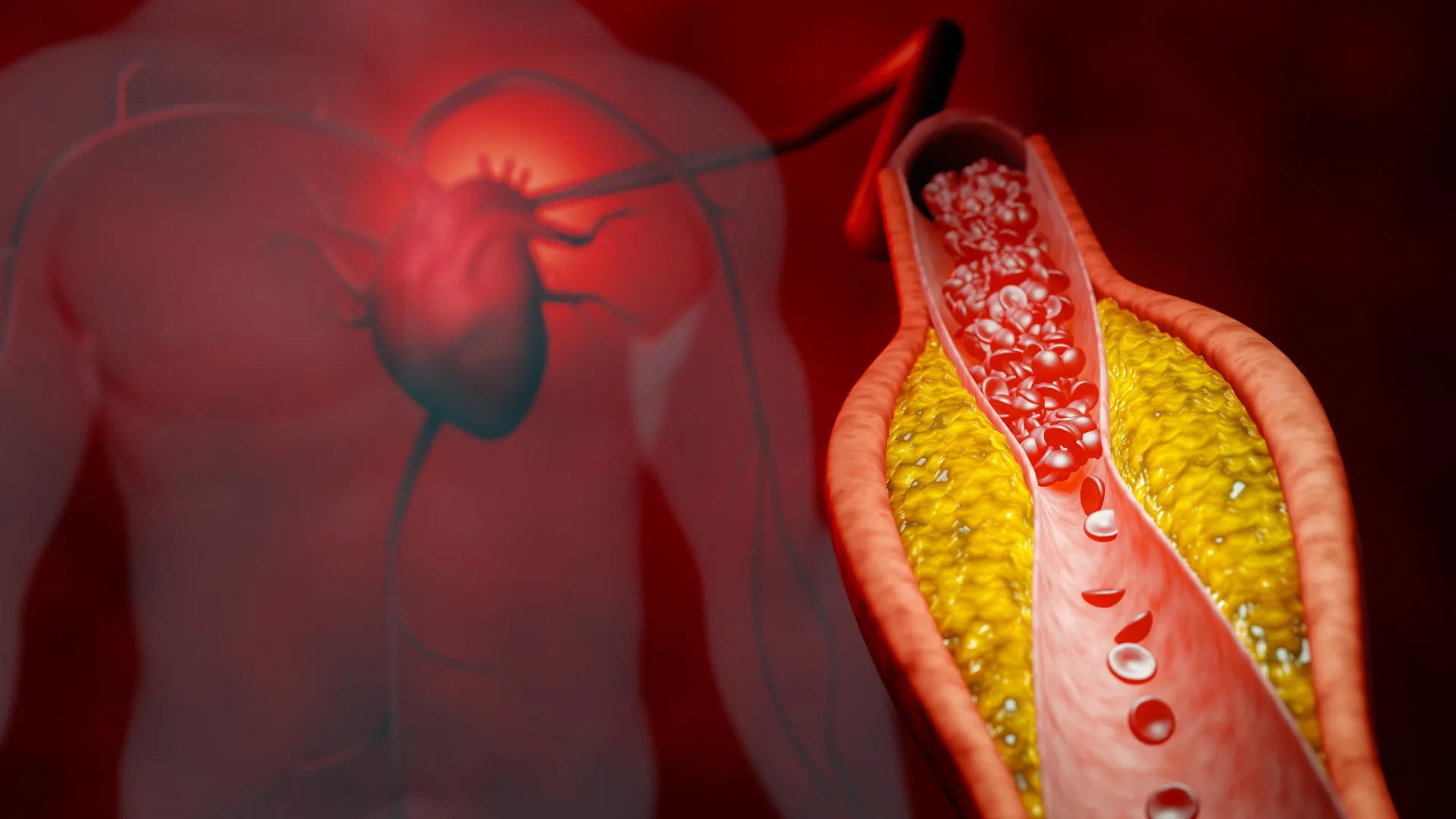
The new approach uses short, synthetic DNA strands called oligonucleotides that bind directly to the PCSK9 gene's messenger RNA. This prevents the protein from being produced, achieving a steady and sustained reduction in LDL levels.
In a phase 2 trial involving 300 high-risk patients, LDL cholesterol dropped by an average of 48% after 12 weeks. Notably, the effect was consistent regardless of whether patients were on statins or had discontinued them due to side effects.
What This Means
If approved by regulators, this therapy could become a game-changer for the 50 million Americans with elevated LDL. Patients who cannot take statins would have a potent new option, and those on statins might reduce their dosage or combine treatments.
"The promise here is not just better numbers, but fewer heart attacks and strokes," commented Dr. James Turner, a cardiologist at Johns Hopkins who was not involved in the study. "A 50% reduction in LDL translates to roughly a 30% reduction in cardiovascular events over five years."
However, experts caution that long-term safety data is still needed. The current trial followed patients for only six months, and any potential off-target effects from altering gene expression must be ruled out. Larger phase 3 trials are expected to begin next year.
Beyond cardiovascular disease, the same DNA-silencing mechanism could be adapted to treat high triglycerides, inflammation, or even rare genetic conditions. The research team has already filed patents for a second-generation version that may require dosing only twice a year.
For now, the medical community waits with cautious optimism. "This isn't just a new drug—it's a new category of medicine," Dr. Moroz added. "We are entering the era of programmable therapies."