Introduction
Alzheimer's disease remains one of the most challenging neurological disorders, characterized by the accumulation of toxic plaques in the brain that disrupt neural communication and lead to cognitive decline. While much research has focused on clearing these plaques directly, a recent breakthrough reveals a promising alternative: empowering the brain's own support cells to take on the cleanup. By increasing the levels of a protein called Sox9, scientists have found a way to enhance the activity of astrocytes—star-shaped glial cells that play a crucial role in maintaining brain health. In experiments with mice exhibiting memory problems, this approach not only reduced plaque buildup but also preserved cognitive function over time, opening a new avenue for Alzheimer's therapy.
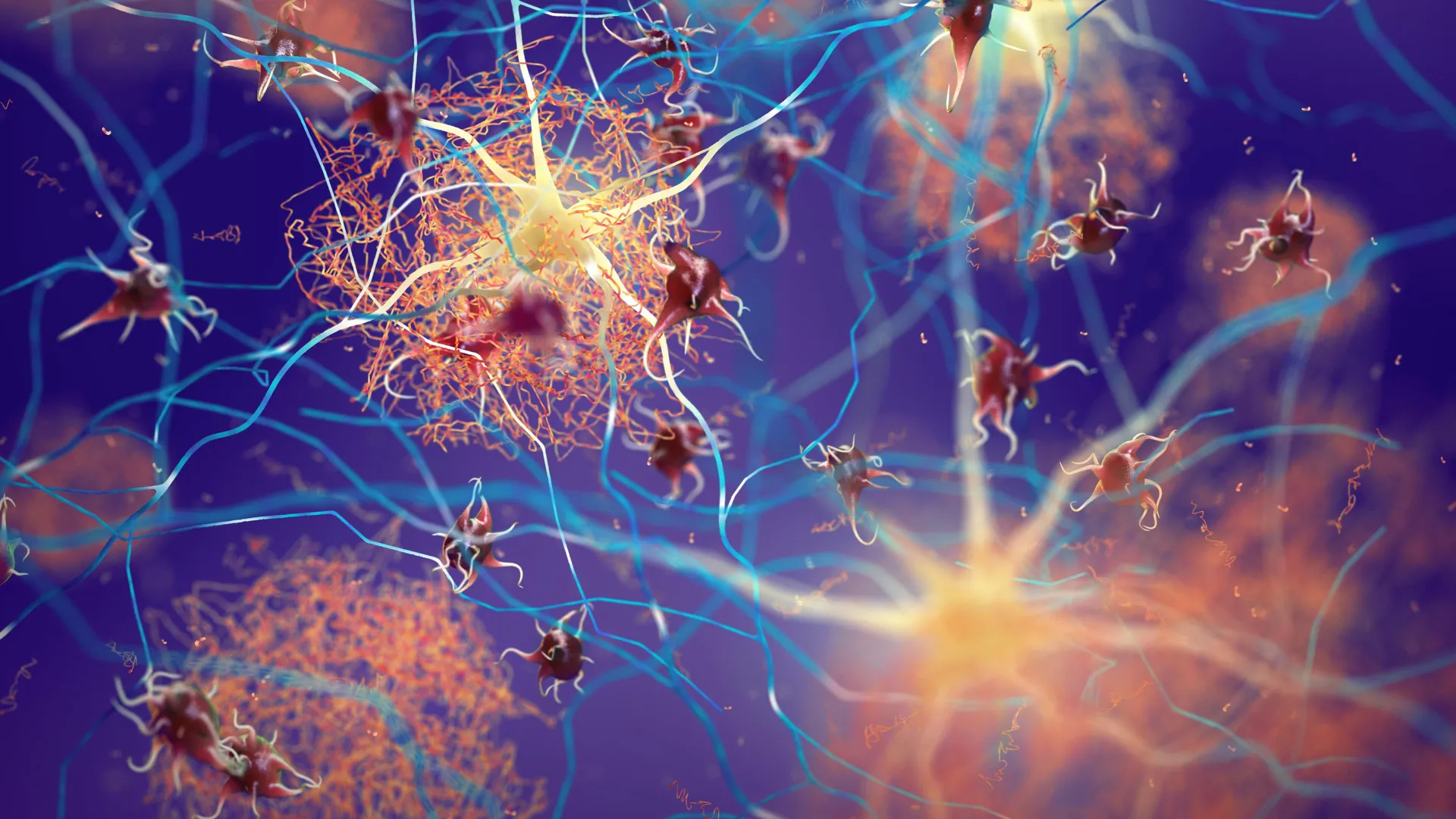
The Role of Astrocytes in Brain Health
Astrocytes are often referred to as the brain's housekeepers. These abundant cells perform a range of vital functions: they regulate neurotransmitter levels, maintain the blood-brain barrier, supply nutrients to neurons, and clean up cellular debris and toxic proteins. In the context of Alzheimer's, astrocytes can become overwhelmed by the persistent accumulation of amyloid-beta plaques, eventually losing their ability to clear them. This failure contributes to the progression of the disease. However, if astrocytes can be reactivated or boosted, they may resume their cleanup duties, potentially slowing or even halting neurodegeneration.
The Discovery: Sox9 as a Key Regulator
In a study published recently, researchers identified the transcription factor Sox9 as a critical switch for astrocyte activity. Sox9 is known to control gene expression in various cell types, but its influence on astrocytes had not been fully explored. By artificially increasing Sox9 levels in the brains of mice, the team observed a marked improvement in astrocytic function. These supercharged astrocytes exhibited enhanced phagocytic activity—meaning they could more efficiently engulf and degrade amyloid-beta plaques. The results suggest that Sox9 acts like a volume knob, turning up the cells' natural cleaning machinery.
Experimental Findings in Mice
The experiments involved two groups of mice: one with age-related memory impairment and another with a genetic model of Alzheimer's. Both groups received treatments to upregulate Sox9 expression in the brain. Key findings include:
- Reduced plaque burden: After several weeks, the mice showed a significant decrease in amyloid-beta deposits, particularly in the hippocampus and cortex—areas critical for memory.
- Preserved cognitive function: The treated mice performed better on memory tasks (such as maze navigation and object recognition) compared to untreated controls. Their performance remained stable over time, while the control group continued to decline.
- No adverse effects: The approach appeared safe, with no observable damage to neurons or signs of inflammation in the brain.
These promising results highlight that activating astrocytes via Sox9 may be a viable strategy to combat Alzheimer's pathology.
Implications for Human Alzheimer’s Treatment
The transition from mouse models to human therapy is complex, but this study offers a solid foundation. Current treatments for Alzheimer's primarily target amyloid plaques directly, but they have limited efficacy and often cause side effects like brain swelling. By contrast, enhancing the brain's own housekeeping cells might provide a more natural and sustained approach. Researchers are now investigating ways to manipulate Sox9 in human astrocytes, either through gene therapy or small-molecule drugs that boost its expression. However, challenges remain:
- Ensuring that Sox9 activation is specific to astrocytes and does not disrupt other cell types.
- Determining the optimal timing and dosage for therapy—too little may be ineffective, too much could cause unintended effects.
- Validating the approach in human clinical trials, which will take years.
Despite these hurdles, the discovery of Sox9's role in astrocyte function opens a new chapter in Alzheimer's research, moving beyond neuron-focused treatments to harness the brain’s supportive network.
Conclusion
The ability to boost a single protein—Sox9—to reinvigorate the brain's own cleanup crew represents a paradigm shift in how we approach Alzheimer's disease. By empowering astrocytes, we may be able to tackle the root cause of plaque accumulation while preserving cognitive function. While more work is needed to translate these findings into human treatments, the future looks brighter for millions affected by this devastating condition. As research progresses, the housekeepers of the brain may become the heroes of the story.